Slope Protection Works
Slope Protection Works
Synviro provides specialized slope protection works to help improve slope stability, control surface erosion and manage rockfall risks across challenging terrain. Our application-focused solutions support roads, railways, mining areas, hydropower projects and other critical infrastructure. Depending on site conditions and project requirements, suitable anchoring, ground reinforcement, mesh and erosion control solutions are considered to provide reliable protection. Our approach focuses on improving structural safety, protecting surrounding infrastructure and supporting long-term slope performance in demanding environmental conditions.


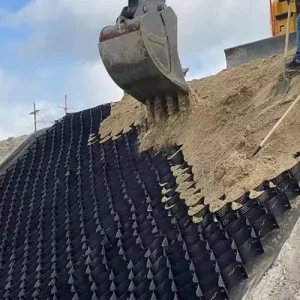

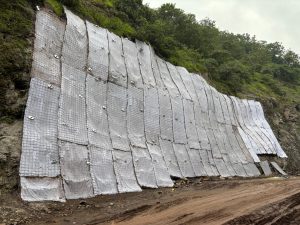
Slope protection works are essential for improving the stability and safety of natural and engineered slopes. Synviro provides engineering solutions for slope stabilization, erosion control and rockfall protection based on site conditions and project requirements. Our solutions are designed to help protect roads, infrastructure and surrounding areas from slope failure, surface erosion and falling rock hazards.
Why Slope Protection Is Important
Unprotected slopes can be affected by rainfall, weathering, surface erosion and changes in ground conditions. Over time, these factors may lead to soil loss, rockfall and slope instability. Proper slope protection helps improve surface stability, control erosion and reduce risks to nearby infrastructure and people.
Our Approach to Slope Protection
Every slope presents different geological and environmental challenges. Synviro evaluates project requirements and site conditions to identify suitable solutions for slope stabilization and protection. The selected approach focuses on improving stability, controlling surface deterioration and supporting long-term performance.
Key Applications of Slope Protection Works
1. Road Embankments & Hill Roads
Slope protection helps improve the stability of cut slopes and embankments along highways and hill roads, reducing the risk of erosion, rockfall and slope-related failures.
2. Railway Corridors
Railway infrastructure located near slopes requires reliable protection against erosion and falling debris. Suitable stabilization measures help protect tracks and surrounding infrastructure.
3. Infrastructure & Construction Projects
Slope protection solutions are used around infrastructure projects where excavation, cutting or changes in terrain may affect ground stability.
4. Mining & Quarry Areas
Mining and quarry operations can create steep and exposed slopes. Appropriate stabilization measures help manage rockfall risks and improve operational safety.
5. Hydropower & Water Infrastructure
Projects in hilly and mountainous terrain often require slope stabilization to protect surrounding infrastructure from erosion and ground movement.
6. Urban & Development Areas
Slope protection can support the safety of developed areas located near natural or engineered slopes by reducing erosion and instability risks.
Slope Protection Solutions & Applicable Products
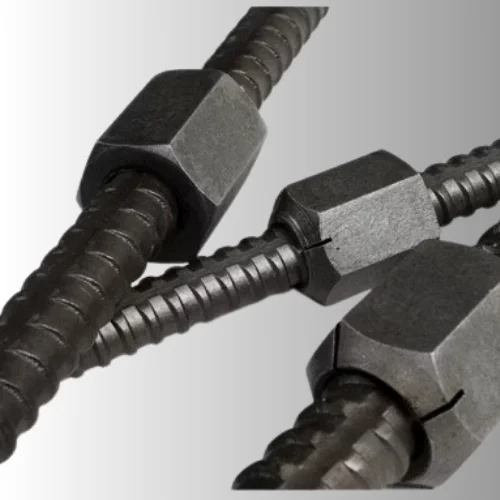
High Tensile FT Bars
Used for ground reinforcement and stabilization applications where reliable load transfer and structural support are required.
Double Corrosion Protection Anchors
Designed for anchoring applications where long-term durability and corrosion protection are important.
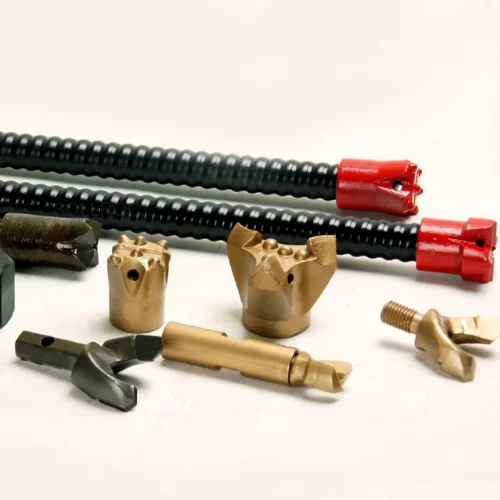
Self-Drilling Anchors
Suitable for ground reinforcement applications where drilling and anchoring need to be carried out efficiently in challenging conditions.
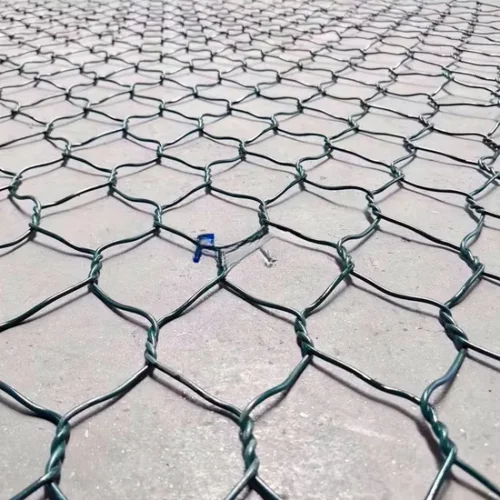
Gabion Structures
Used for erosion control, retaining applications and stabilization of vulnerable terrain.
Wire Rope Nets
Used in rockfall and slope protection systems to help contain loose rock and surface material.
High Strength SICCO Mesh
Provides surface support and protection for suitable slope stabilization and erosion control applications.
Typical Slope Protection Process
01 — Site Assessment
The slope condition, terrain, surface characteristics and project requirements are evaluated.
02 — Solution Planning
A suitable slope protection approach is identified based on the site and engineering requirements.
03 — Surface Preparation
The work area is prepared for the selected stabilization or protection system.
04 — Installation & Stabilization
The required protection, reinforcement or anchoring system is installed according to the project requirements.
05 — Final Inspection
The completed work is reviewed to ensure proper installation and overall system performance.
Benefits of Effective Slope Protection
Improved Slope Stability
Helps support and protect vulnerable slopes against surface deterioration and instability.
Reduced Surface Erosion
Controls the loss of soil and surface material caused by rainfall and runoff.
Rockfall Risk Management
Suitable protection systems can help control and manage falling rock hazards in vulnerable areas.
Infrastructure Protection
Helps protect roads, railways, buildings and other assets located near unstable slopes.
Long-Term Site Performance
A properly selected solution can improve the durability and long-term stability of the protected area.
Following Products Are Applicable For Slope Protection Works




Why Choose Synviro for Slope Protection Works?
Synviro provides application-focused engineering solutions for slope stabilization, erosion control and rockfall protection. We understand that every project has different site conditions and technical challenges, which is why our approach focuses on selecting suitable solutions based on actual project requirements.
Technical Approach
Solutions are considered according to site conditions, slope characteristics and project requirements.
Application-Focused Solutions
We focus on practical protection and stabilization requirements for infrastructure and challenging terrain.
Reliable Product Portfolio
Our solutions include specialized products for anchoring, reinforcement, surface protection and slope stabilization applications.
Infrastructure Experience
Our approach is suitable for roads, railways, mining areas, hydropower projects and other infrastructure environments.
Focus on Long-Term Performance
We emphasize durability, stability and reliable protection for demanding project conditions.
Frequently Asked Questions Of Slope Protection works
Slope protection involves engineering measures used to improve slope stability and reduce risks associated with erosion, rockfall and surface deterioration.
Slope protection is commonly required for roads, railways, mining areas, infrastructure projects, hydropower developments and other locations with vulnerable slopes.
Factors may include slope geometry, ground conditions, rock or soil characteristics, drainage conditions and project-specific requirements.
Depending on the application, slope protection may involve anchoring systems, reinforcement products, wire rope nets, mesh systems, gabion structures and erosion control solutions.