
Highway and railway embankment
Highway and Railway Embankment Protection Solutions
Highway and Railway Embankment stabilization plays a critical role in ensuring the safety, durability, and functionality of transportation infrastructure. Properly stabilized embankments prevent issues such as erosion, landslides, and structural failures that could compromise the integrity of roads and railways. To achieve long-lasting stability, various techniques are employed depending on soil conditions, climate, and traffic load. These methods include the use of retaining walls, geotextiles, erosion control mats, and the application of soil stabilization agents. Additionally, vegetation is often integrated to further reduce soil erosion and promote natural reinforcement.

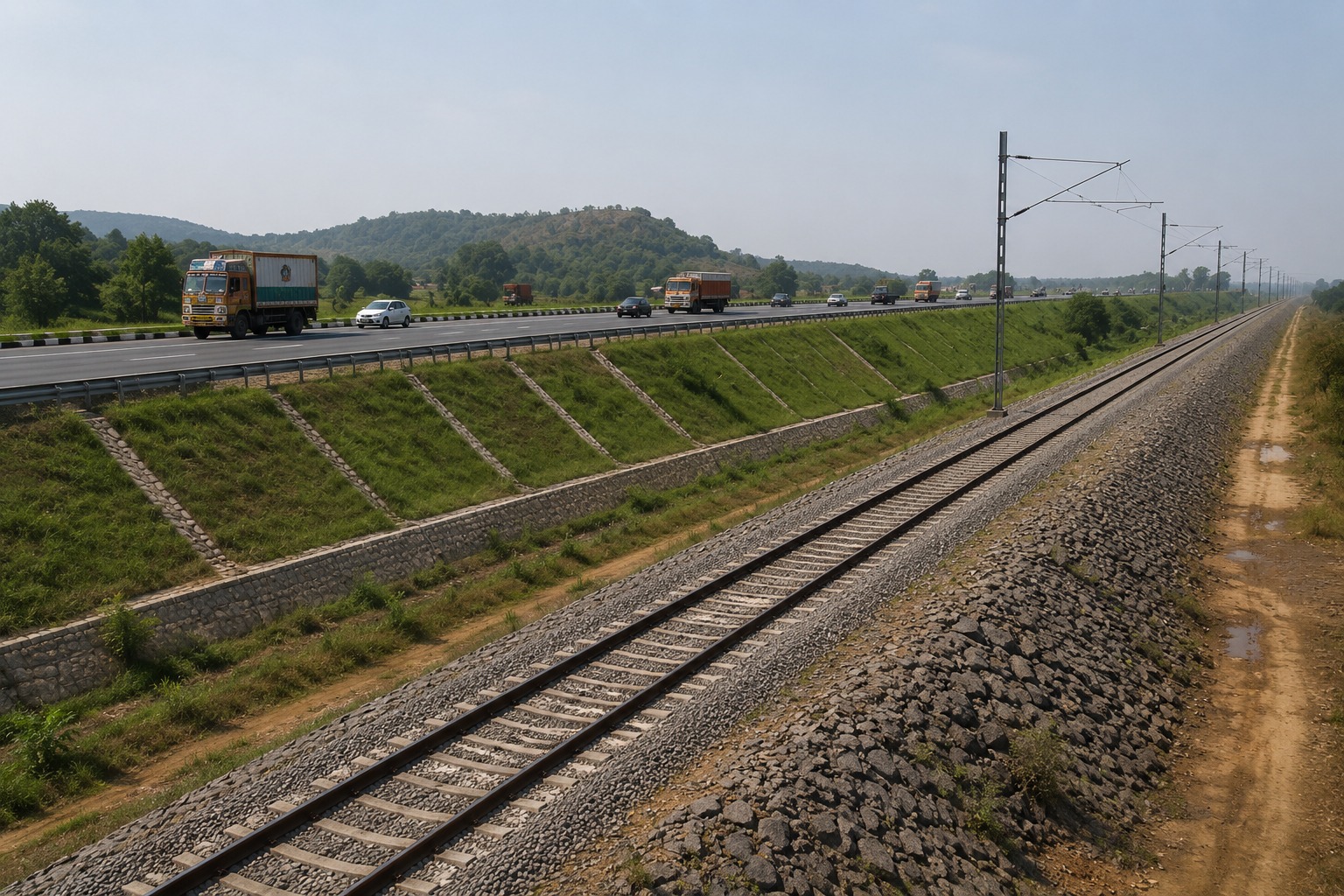
Highway and railway embankment stabilization plays a critical role in ensuring the safety, durability, and functionality of transportation infrastructure. Properly stabilized embankments prevent issues such as erosion, landslides, and structural failures that could compromise the integrity of roads and railways. To achieve long-lasting stability, various techniques are employed depending on soil conditions, climate, and traffic load. These methods include the use of retaining walls, geotextiles, erosion control mats, and the application of soil stabilization agents. Additionally, vegetation is often integrated to further reduce soil erosion and promote natural reinforcement.
Highway and Railway Embankment Stabilization Techniques
- Geocell Reinforcement: Three-dimensional geocells are used to stabilize slopes by confining soil or aggregate within their cellular structure, enhancing load distribution and resistance to erosion.
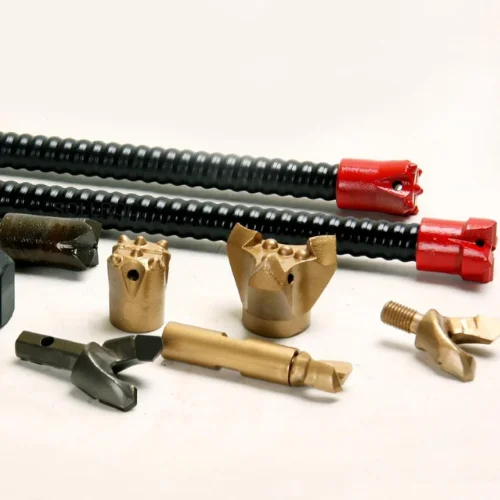
- Soil Nailing: This technique involves inserting steel or fiberglass bars into the soil to increase its stability. The Soil Nail Launcher™ accelerates and installs these bars rapidly, improving soil retention and preventing collapses.
- Vegetative Stabilization: Planting deep-rooted vegetation, such as vetiver grass, helps bind the soil, reducing erosion and stabilizing embankments. This method has been successfully used in various regions, including China.
- Retaining Walls: Constructing retaining walls provides lateral support to vertical or near-vertical slopes, preventing soil movement and ensuring embankment stability.
- Geogrid Reinforcement: Geogrids are used to reinforce the soil in railway embankments, improving load distribution and reducing settlement. This method enhances the performance of rail tracks by providing a stable foundation.
- Erosion Control Blankets: These are used to protect soil surfaces from erosion caused by wind or water, promoting vegetation growth and stabilizing the embankment.
Benefits of Highway and Railway Embankment
Highway and railway embankments are exposed to traffic loads, water infiltration, erosion and changing ground conditions. Proper embankment stabilization helps improve ground performance and supports the long-term safety and durability of transportation infrastructure.
Key Benefits
- Improved Embankment Stability – Helps improve the stability of highway and railway embankments under varying ground conditions.
- Erosion Control – Helps protect embankment slopes from surface erosion caused by rainfall, runoff and water flow.
- Better Load Distribution – Reinforcement solutions can help distribute loads within the soil and improve ground performance.
- Slope Protection – Supports protection of embankment slopes against surface deterioration and localized instability.
- Reduced Ground Movement – Suitable stabilization measures can help control excessive deformation and movement.
- Improved Drainage Performance – Appropriate drainage and reinforcement solutions can help manage water-related ground issues.
- Long-Term Infrastructure Protection – Supports the durability and service performance of roads and railway systems.
- Adaptability to Challenging Terrain – Suitable solutions can be selected for different soil, slope and site conditions.
Advantages of Highway and Railway Embankment
Engineered embankment stabilization offers several advantages where transportation infrastructure requires reliable ground support and slope protection.
- Improved soil and slope stability
- Better resistance to erosion
- Effective management of water-related ground issues
- Improved load distribution
- Reduced risk of localized slope failure
- Suitable for new and existing infrastructure
- Adaptable to different soil and terrain conditions
- Supports safer transportation corridors
- Helps improve long-term embankment performance
- Can incorporate reinforcement, anchoring and erosion-control solutions
Uses of Highway and Railway Embankment
Highway and railway embankment solutions are used in transportation infrastructure where ground stability, erosion control and slope protection are important.
Common Applications
Highway Embankments
Used to improve the stability and protection of road embankments exposed to traffic loading, rainfall and changing ground conditions.
Railway Embankments
Applied to support stable railway formation and embankment slopes where ground performance is critical.
Slope Stabilization
Suitable reinforcement and anchoring systems can be used to improve the stability of embankment slopes.
Embankment Erosion Control
Erosion control measures help protect exposed soil surfaces from rainfall, runoff and water-induced erosion.
Bridge Approaches
Ground reinforcement and stabilization solutions can be considered around bridge approaches where changes in soil conditions and loading require additional support.
Road Widening Projects
Stabilization solutions can support embankment requirements during selected road expansion and widening works.
Railway Expansion & Upgradation
Can be used in selected railway infrastructure projects where existing or new embankments require reinforcement or protection.
Challenging Ground Conditions
Application-specific solutions can be considered where weak soil, steep slopes, drainage issues or erosion affect embankment performance.
Installation Process for Highway & Railway Embankment
The installation process depends on the selected stabilization system, ground conditions and approved engineering design. A typical sequence includes:
1. Site Investigation & Assessment
Assess the existing embankment, soil conditions, slope geometry, drainage and visible signs of erosion or instability.
2. Engineering Design & Planning
Determine the appropriate stabilization approach, reinforcement requirements, drainage measures and installation sequence based on the project design.
3. Site Preparation
Prepare the work area, establish access and remove loose or unsuitable material where required.
4. Installation of Reinforcement or Anchoring System
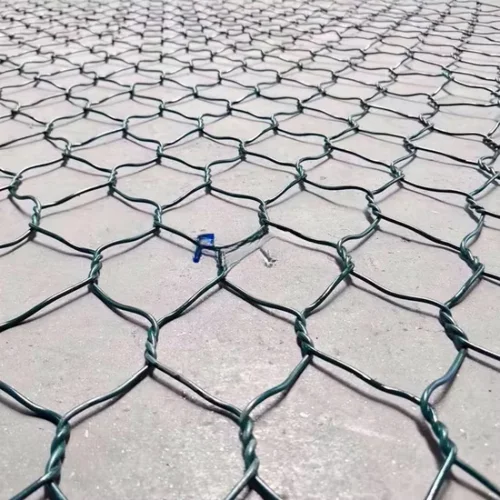
Install the specified reinforcement, anchors, mesh or other stabilization components according to the approved layout.
5. Erosion & Surface Protection
Apply suitable erosion-control or surface protection measures to exposed embankment areas where required.
6. Drainage Management
Provide or improve appropriate drainage measures to control surface runoff and water infiltration affecting embankment stability.
7. Layer-by-Layer Construction
For new or reconstructed embankments, place and compact suitable fill material in controlled layers according to project specifications.
8. Inspection & Quality Control
Check reinforcement placement, connections, slope profile, drainage and completed stabilization works against the approved design.
Stabilizing Highway and Railway Embankments for Safer Infrastructure
Highway and railway embankments are exposed to continuous traffic loads, rainfall, erosion, water seepage, soil movement, and changing ground conditions, making effective stabilization essential for long-term infrastructure safety. At Synviro, we provide engineered solutions for strengthening and protecting embankments through slope stabilization, ground reinforcement, erosion control, rock and soil anchoring, drainage support, and other site-specific geotechnical techniques.
Our solutions are designed after understanding the ground conditions and project requirements to help reduce soil erosion, settlement, slope instability, and the risk of structural failure. By improving ground performance and maintaining embankment integrity, we support safer, more reliable, and durable highway and railway infrastructure. Our focus is on delivering practical, technically sound, and long-lasting stabilization solutions for challenging terrain and critical transportation projects.
Following Products Are Applicable For Highway and Railway Embankment Stabilisation





Why Choose Synviro for Highway and Railway Embankment ?
Synviro provides application-focused geotechnical solutions for highway and railway embankment requirements, considering site conditions, ground behaviour and project objectives.
Application-Focused Approach
Solutions are considered according to the specific embankment condition, stabilization requirement and project design.
Geotechnical Understanding
Our approach considers soil conditions, slope geometry, drainage, loading and other factors that influence embankment performance.
Multiple Reinforcement Solutions
Depending on project requirements, suitable anchoring, reinforcement, mesh and erosion-control solutions can be considered.
Infrastructure-Focused Solutions
Our solutions are applicable to selected highway, railway and other transportation infrastructure projects.
Project-Oriented Support
We focus on practical solutions that align with site conditions, installation requirements and project objectives.
Quality-Focused Approach
Product and application selection is carried out with attention to performance, durability and project requirements.
Frequently Asked Questions - Highway and Railway Embankment Solutions
Highway and railway embankment stabilization involves engineered measures used to improve the stability, erosion resistance and overall performance of transportation embankments.
Embankments can be affected by traffic loading, rainfall, water infiltration, erosion and changing soil conditions. Stabilization helps manage these factors and supports safer, more durable infrastructure.
They can be used on highway and railway embankments, bridge approaches, road widening projects, railway upgrades and other transportation infrastructure where ground stability is required.
Depending on site conditions and engineering requirements, solutions may include soil reinforcement, anchoring systems, erosion control measures, mesh systems and other suitable geotechnical techniques.