Rockfall and avalanche protection works
Rockfall and avalanche protection works
Rockfall and avalanche protection works are critical in safeguarding infrastructure, transportation routes, and human lives in mountainous regions. These protective measures are designed to prevent or mitigate the impact of falling rocks and snow masses. They include barriers, rockfall nets, retaining walls, and avalanche control systems that stabilize slopes and reduce hazards. Advanced technologies such as remote monitoring and early warning systems further enhance safety and enable timely interventions. Proper planning, engineering, and maintenance of these protective structures are essential to ensure long-term effectiveness and resilience against natural disasters.

Rockfall and avalanche protection works are critical in safeguarding infrastructure, transportation routes, and human lives in mountainous regions. These protective measures are designed to prevent or mitigate the impact of falling rocks and snow masses. They include barriers, rockfall nets, retaining walls, and avalanche control systems that stabilize slopes and reduce hazards. Advanced technologies such as remote monitoring and early warning systems further enhance safety and enable timely interventions. Proper planning, engineering, and maintenance of these protective structures are essential to ensure long-term effectiveness and resilience against natural disasters.
Benefits of Rockfall and Avalanche Protection Works
Rockfall and Avalanche Protection Works help manage risks associated with falling rocks, unstable slopes and snow avalanches in mountainous and challenging terrain. These protection systems are designed to safeguard infrastructure, transportation corridors and surrounding areas according to site-specific risk conditions.
- Improved Infrastructure Safety – Helps manage rockfall and avalanche risks near roads, railways and other critical infrastructure.
- Rockfall Risk Management – Helps contain, intercept or guide falling rocks using suitable protection systems.
- Slope Protection – Supports the protection of exposed rock faces and vulnerable slope areas.
- Road & Railway Protection – Helps reduce exposure to rockfall and avalanche hazards along transportation corridors.
- Protection in Mountainous Terrain – Suitable for infrastructure located in steep and geologically challenging landscapes.
- Reduced Exposure to Falling Debris – Appropriate barriers and netting systems help manage falling rocks and debris.
- Site-Specific Protection – Systems can be selected according to terrain, hazard characteristics and project requirements.
- Long-Term Infrastructure Support – Properly designed and maintained protection systems help manage recurring natural hazards.
Advantages of Rockfall and Avalanche Protection Systems
Rockfall and Avalanche Protection Works help manage risks associated with falling rocks, unstable slopes and snow avalanches in mountainous and challenging terrain. These protection systems are designed to safeguard infrastructure, transportation corridors and surrounding areas according to site-specific risk conditions.
- Improved Infrastructure Safety – Helps manage rockfall and avalanche risks near roads, railways and other critical infrastructure.
- Rockfall Risk Management – Helps contain, intercept or guide falling rocks using suitable protection systems.
- Slope Protection – Supports the protection of exposed rock faces and vulnerable slope areas.
- Road & Railway Protection – Helps reduce exposure to rockfall and avalanche hazards along transportation corridors.
- Protection in Mountainous Terrain – Suitable for infrastructure located in steep and geologically challenging landscapes.
- Reduced Exposure to Falling Debris – Appropriate barriers and netting systems help manage falling rocks and debris.
- Site-Specific Protection – Systems can be selected according to terrain, hazard characteristics and project requirements.
- Long-Term Infrastructure Support – Properly designed and maintained protection systems help manage recurring natural hazards.
Uses of Rockfall and Avalanche Protection Works
Rockfall and Avalanche Protection Works are used in areas where falling rocks, unstable slopes or snow avalanches may threaten infrastructure and public safety.
Highway & Mountain Road Protection
Protection systems can be installed along vulnerable road cuts, steep slopes and mountainous highways to help manage rockfall and avalanche exposure.
Railway Corridor Protection
Suitable protection measures help manage falling-rock and avalanche hazards near railway tracks and associated infrastructure.
Rock Slope Protection
Wire rope nets, high-strength mesh and anchoring systems may be used to control loose rock and provide surface protection on exposed rock slopes.
Tunnel Portals & Approaches
Protection systems can be considered around tunnel entrances, approach slopes and adjacent rock faces where falling debris presents a potential hazard.
Hydropower & Mountain Infrastructure
Rockfall and avalanche protection may be required around hydropower facilities, access roads and infrastructure situated in mountainous terrain.
Mining & Excavation Areas
Selected protection systems can be used around exposed rock faces, excavation slopes and access routes where falling-rock hazards need to be managed.
Avalanche-Prone Zones
Avalanche protection measures may be considered in snow-prone mountainous regions, with system selection based on snow conditions, terrain and hazard assessment.
Installation Process of Rockfall and Avalanche Protection Systems
Installation procedures vary according to the selected protection system and site-specific hazard assessment. Work should follow the approved engineering design, manufacturer instructions and applicable safety requirements.
Step 1: Site Assessment & Hazard Identification
Assess slope geometry, rock conditions, loose material, snow-related hazards where applicable, infrastructure exposure and site access.
Step 2: Engineering Design & System Selection
Determine the appropriate protection approach based on the hazard assessment. Options may include mesh, wire rope nets, barriers, anchoring or avalanche-specific systems.
Step 3: Site Preparation
Prepare access routes and designated work areas. Remove or manage loose material only where specified in the approved work method.
Step 4: Setting Out
Mark anchor locations, barrier positions, net coverage and other installation points according to the approved drawings.
Step 5: Anchor Installation
Install the specified anchors or rock bolts to secure the protection system. Installation details must follow the approved design and ground conditions.
Step 6: Protection System Installation
Install the selected mesh, wire rope nets, barriers or other components in the specified positions and configuration.
Step 7: Connections & Tensioning
Complete connections and apply specified tension where required. Check that all components are correctly secured.
Step 8: Inspection & Verification
Inspect anchorage, connections, system alignment, coverage and installation quality before commissioning.
Step 9: Maintenance Planning
Establish inspection and maintenance requirements based on the system type, environmental exposure and project specifications.
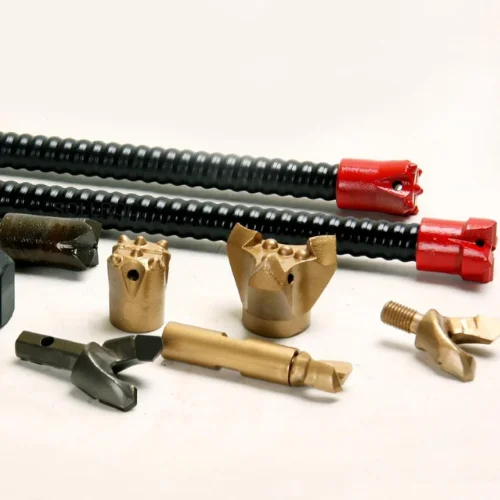
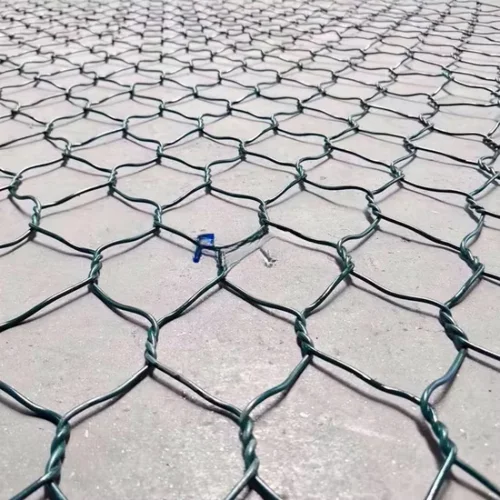
Following Products Are Applicable For Rockfall and avalanche protection works





Why Choose Synviro for Rockfall and Avalanche Protection Works?
Synviro provides application-focused geotechnical solutions for slope protection, ground reinforcement and infrastructure safety. Suitable protection measures depend on site geology, slope geometry, rockfall or avalanche characteristics and the approved engineering design.
- Application-Focused Solutions – Protection options are considered according to site conditions and project requirements.
- Geotechnical Engineering Approach – Focus on slope stability, ground reinforcement and infrastructure protection.
- Integrated Protection Options – Suitable combinations of anchoring, mesh, wire rope systems and other measures can be considered where required.
- Infrastructure Applications – Solutions for relevant road, railway, tunnel, mining and mountainous infrastructure projects.
- Project-Oriented Planning – Protection requirements are considered in relation to terrain, access and intended application.
- Technical Coordination – Support for identifying suitable product and system options according to project specifications.
Frequently Asked Questions (FAQs)
These are engineered measures designed to manage hazards caused by falling rocks, unstable slopes and snow avalanches near infrastructure and exposed areas.
Depending on site conditions, systems may include high-strength mesh, wire rope nets, rockfall barriers, anchoring systems and other suitable slope protection measures.
They may be required along mountain roads, railway corridors, tunnel portals, hydropower projects, mining areas and other infrastructure exposed to rockfall or avalanche hazards.
Wire rope nets provide flexible coverage and help contain or control loose rock on suitable slopes. Their configuration and anchoring must be designed for the site-specific hazard.