Rock Bolting and Soil Nailing
Rock Bolting and Soil Nailing for Slope Stabilization
Rock Bolting and Soil Nailing are effective geotechnical solutions for improving the stability of rock and soil slopes, excavations and infrastructure projects. These techniques provide ground reinforcement, control potential movement and support unstable areas. Depending on site conditions, the systems can be combined with mesh, shotcrete and other protection measures to deliver reliable and durable slope stabilization solutions for demanding construction environments.
Rock Bolting:
Rock bolting involves inserting steel bolts into rock masses to enhance their stability.
Key Applications
- Slope Stabilization:Rock bolts are used to secure rock faces, preventing landslides and rockfalls.
- Tunnel Support:They provide immediate support to tunnel walls, reducing the risk of collapse.
- Retaining Walls:Rock bolts reinforce retaining walls, ensuring they can withstand lateral pressures.


Soil Nailing:
Soil nailing entails inserting steel bars into soil to create reinforced soil structures.
Key Applications
- Slope Stabilization : Soil nailing is employed to stabilize natural or excavated slopes, preventing erosion and landslides.
- Retaining Walls : It is used to construct retaining walls that support excavations or prevent soil movement.
- Excavation Support : Soil nailing provides temporary support during excavation activities.
Benefits of Rock Bolting and Soil Nailing
Rock Bolting and Soil Nailing are ground reinforcement techniques used to improve the stability of rock slopes, soil slopes, excavations and other geotechnical structures. They help reinforce the existing ground mass and improve resistance against movement and instability.
- Improved Ground Stability – Reinforces unstable rock and soil masses to improve overall slope stability.
- Slope Movement Control – Helps resist sliding and deformation in suitable ground conditions.
- Enhanced Structural Support – Provides additional reinforcement to slopes, excavations and underground structures.
- Reduced Risk of Rockfall – Rock bolts can help secure fractured or loose rock masses.
- Suitable for Difficult Terrain – Can be applied in challenging geological and construction environments.
- Efficient Use of Space – Soil nailing can provide stabilization without requiring large external support structures.
- Adaptable Solutions – Systems can be designed according to ground conditions, slope geometry and project requirements.
- Long-Term Ground Reinforcement – Properly designed and installed systems can provide durable support.
Advantages of Rock Bolting and Soil Nailing
Rock bolting and soil nailing provide practical advantages for slope stabilization and ground reinforcement projects.
- Helps improve the stability of soil and rock slopes
- Supports fractured and jointed rock masses
- Controls potential ground movement
- Can be integrated with mesh, shotcrete and other protection systems
- Suitable for steep slopes and confined construction areas
- Requires comparatively limited surface space
- Can be adapted to different geological conditions
- Supports excavation and underground construction
- Helps improve the safety of construction work near unstable ground
- Provides a flexible alternative to some conventional retaining systems
Uses of Rock Bolting and Soil Nailing
Rock Bolting and Soil Nailing are used across a range of geotechnical engineering and infrastructure projects where additional ground reinforcement is required.
Common Applications
Slope Stabilization
Used to reinforce unstable soil and rock slopes and reduce the potential for sliding or deformation.
Highway & Railway Slopes
Applied along cut slopes, embankments and transportation corridors where ground stability is important.
Rockfall Protection
Rock bolts can be used to secure loose, fractured or jointed rock masses, often in combination with protective mesh systems.
Excavation Support
Soil nailing can provide reinforcement for temporary or permanent excavation faces where suitable ground conditions exist.
Tunnels & Underground Structures
Rock bolting is commonly incorporated into ground-support systems for underground excavations.
Mining Areas
Used for selected ground reinforcement and stabilization requirements in mining and excavation environments.
Hydropower Projects
Can support slopes, excavations and rock faces associated with hydropower infrastructure.
Retaining & Reinforced Slopes
Soil nails can be integrated with facing systems to stabilize suitable reinforced soil slopes.
Why Choose Synviro for Rock Bolting and Soil Nailing?
Synviro provides geotechnical reinforcement solutions designed around project requirements, ground conditions and site-specific challenges.
Geotechnical Application Knowledge
Our solutions are focused on slope stabilization, ground reinforcement and structural support applications.
Project-Specific Approach
Rock and soil conditions can vary significantly from one site to another. We focus on selecting suitable reinforcement solutions according to project requirements.
Integrated Ground Support
Rock bolts and soil nails can be combined with suitable mesh, shotcrete, plates and other stabilization systems where required.
Suitable for Infrastructure Projects
Our solutions can be considered for highways, railways, tunnels, mining, hydropower and other civil infrastructure applications.
Practical Site Solutions
We focus on solutions that can be implemented according to site access, ground conditions and construction requirements.
Quality-Focused Products
We focus on appropriate product selection and installation practices to support reliable ground reinforcement.
Installation Process - Rock Bolting and Soil Nailing
The installation procedure for Rock Bolting and Soil Nailing depends on the ground conditions, reinforcement system and approved engineering design. A typical sequence includes:
1. Site Investigation & Setting Out
Assess the ground conditions and mark the locations, spacing and orientation of the bolts or soil nails according to the approved design.
2. Drilling
Drill holes to the specified diameter, depth and inclination using equipment suitable for the ground conditions.
3. Hole Cleaning
Remove drilling debris, loose material and dust from the holes to ensure proper installation and bonding.
4. Reinforcement Installation
Insert the specified rock bolt or soil nail into the prepared hole to the required depth.
5. Grouting
Inject the specified cement grout or approved fixing material into the hole to provide bonding between the reinforcement and surrounding ground.
6. Bearing Plate & Connection
For applicable rock bolting systems, install the required bearing plate, nut and accessories against the rock surface.
7. Surface Protection
Where required, install mesh, shotcrete or another approved facing system to provide additional surface protection and stabilization.
8. Inspection & Quality Control
Check reinforcement position, embedment, grout installation and connection details according to the project specifications.
Key Applications
- Slope Stabilization:Soil nailing is employed to stabilize natural or excavated slopes, preventing erosion and landslides.
- Retaining Walls:It is used to construct retaining walls that support excavations or prevent soil movement.
- Excavation Support:Soil nailing provides temporary support during excavation activities.
Rock bolting and soil nailing are essential geotechnical techniques used to stabilize slopes, excavations, and underground structures.
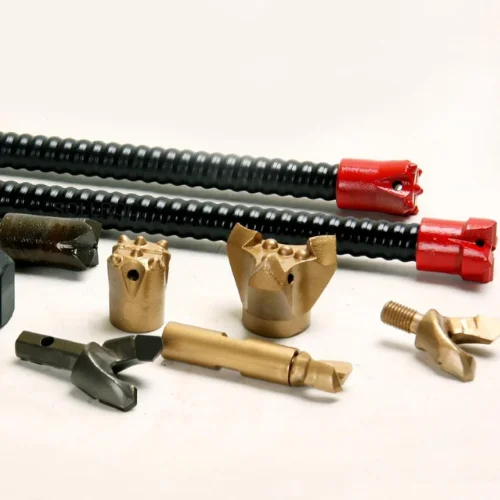
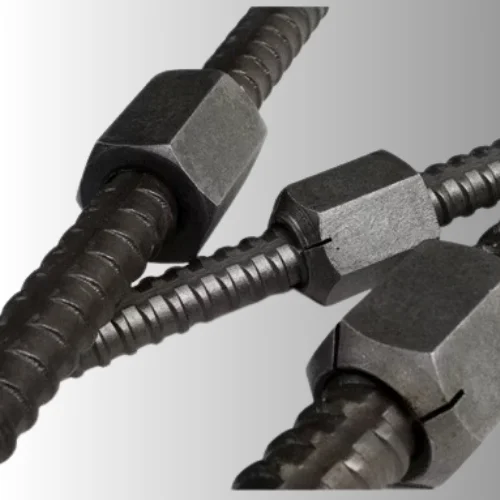
Following Products Are Applicable For Rock Bolting & Soil Nailing




Frequently Asked Questions - Rock Bolting and Soil Nailing
Rock bolting is a ground reinforcement technique in which bolts are installed into rock masses to improve their stability and provide additional support against movement or failure.
Soil nailing is a reinforcement technique in which closely spaced steel or suitable reinforcement elements are installed into the ground and combined with an appropriate facing system to stabilize soil slopes or excavation faces.
Rock bolting is primarily used to reinforce and stabilize rock masses, while soil nailing is generally used to reinforce suitable soil slopes and excavation faces. The appropriate technique depends on geological conditions and project requirements.
They are used in slope stabilization, highways, railways, tunnels, mining, hydropower projects, excavations and other geotechnical applications.