
Underwater Ground Anchoring
Underwater Ground Anchoring
Underwater ground anchoring is a critical technique in marine engineering, providing stability and support for various submerged structures. This method involves embedding anchors into the seabed to secure structures such as pipelines, offshore platforms, and mooring systems. It ensures resistance against strong currents, tidal forces, and environmental loads, maintaining structural integrity in harsh underwater conditions. Anchoring systems can include suction anchors, driven piles, and gravity anchors, each designed to meet specific project requirements. Advanced installation techniques, including remotely operated vehicles (ROVs) and diving support, enable precise placement and monitoring of anchors. This approach plays a vital role in offshore energy production, underwater construction, and coastal protection projects.

Underwater ground anchoring is a critical technique in marine engineering, providing stability and support for various submerged structures. This method involves embedding anchors into the seabed to secure structures such as pipelines, offshore platforms, and mooring systems. It ensures resistance against strong currents, tidal forces, and environmental loads, maintaining structural integrity in harsh underwater conditions. Anchoring systems can include suction anchors, driven piles, and gravity anchors, each designed to meet specific project requirements. Advanced installation techniques, including remotely operated vehicles (ROVs) and diving support, enable precise placement and monitoring of anchors. This approach plays a vital role in offshore energy production, underwater construction, and coastal protection projects.
Applications of Underwater Ground Anchoring:
- Offshore Oil and Gas Platforms:Anchors are used to stabilize drilling rigs and production platforms, ensuring they remain securely positioned in dynamic marine environments.
- Submarine Pipelines:Anchoring systems prevent pipelines from shifting or being damaged by underwater currents, maintaining their integrity over long distances.
- Mooring Systems:Anchors secure vessels, including ships and floating structures, to prevent drift and ensure safe operations.
- Marine Renewable Energy Installations:Anchoring is essential for stabilizing structures like tidal and wave energy converters, which are subject to harsh marine conditions.
Visual Examples:
- HarborFlex Underwater Anchoring System:This system provides a flexible and reliable solution for securing floating docks and vessels. The design allows for easy installation and adjustment, accommodating various marine environments.
- Vulcan Earth Anchor:Designed for marine applications, the Vulcan Earth Anchor offers high tensile strength and durability, making it suitable for anchoring offshore structures.
- Deep Penetrating Anchors at the Gjøa Field:This installation involved the use of permanent deep-penetrating anchors to secure floating production units in the North Sea, demonstrating the application of anchoring in harsh marine environments.
Benefits of Underwater Ground Anchoring
- Improved Structural Stability: Helps secure underwater and waterfront structures against movement when designed for the required loading conditions.
- Reliable Load Transfer: Transfers tensile and other design forces into suitable soil or rock formations beneath the waterbed.
- Support for Underwater Infrastructure: Provides anchoring options for structures and components installed in submerged environments.
- Adaptability to Ground Conditions: Systems can be selected according to seabed composition, including suitable soil and rock formations.
- Resistance to Environmental Forces: Engineered anchoring systems can help resist relevant forces caused by water movement, waves, currents and other site conditions.
- Reduced Risk of Unwanted Movement: Properly designed anchorage can help control displacement and maintain the intended position of supported structures.
- Project-Specific Engineering: Allows the anchoring arrangement to be designed around the structure, ground profile and anticipated loading conditions.
Advantages of Underwater Ground Anchoring
- Specialized Submerged Applications: Suitable for projects where anchorage must be established below the water surface.
- Flexible System Selection: The anchoring method can be selected according to seabed conditions, installation access and structural requirements.
- Integration with Structural Works: Can be incorporated into suitable marine, riverbank, reservoir and waterfront engineering projects.
- Engineering-Based Load Capacity: Anchor type, dimensions, spacing and embedment can be determined through project-specific design.
- Durability Considerations: Appropriate materials, protective coatings and corrosion protection can be specified for submerged exposure.
- Adaptable Installation Planning: Installation procedures can be planned according to water depth, visibility, accessibility and available equipment.
- Support for Long-Term Infrastructure: Correct design, installation and inspection can contribute to the serviceability of underwater anchoring systems.
Uses of Underwater Ground Anchoring
Underwater Ground Anchoring may be considered for the following applications, subject to site conditions and engineering design:
Marine and Waterfront Structures
Anchoring support for suitable marine structures, waterfront installations and components that require restraint against movement.
River Engineering
Selected river structures and submerged components where anchorage is required to resist anticipated hydraulic or structural forces.
Reservoir and Dam-Related Infrastructure
Suitable underwater anchoring applications associated with reservoir infrastructure and other submerged structural components, where supported by the project design.
Submerged Pipelines and Utility Systems
Anchoring or restraint of suitable underwater pipelines, conduits and utility components against movement caused by flow, buoyancy or other design forces.
Bridge and Water-Crossing Infrastructure
Selected submerged or water-adjacent structural components where ground anchorage is required as part of an engineered support system.
Underwater Foundations and Structural Restraint
Projects requiring anchorage to suitable soil or rock below the waterbed, subject to geotechnical investigation and structural design.
Hydropower and Water Infrastructure
Selected submerged installations associated with hydropower and water-management projects where an appropriate anchoring solution is specified.
Installation Process of Underwater Ground Anchoring
Underwater anchoring requires careful planning because installation and verification may be affected by water depth, visibility, currents, seabed conditions and access limitations. The following is a general process; actual procedures must follow the approved project design and installation method.
Step 1: Site Assessment and Geotechnical Investigation
Assess water depth, seabed profile, soil or rock conditions, water movement, access constraints and the requirements of the supported structure.
Step 2: Engineering Design and Anchor Selection
Determine the design loads and select a suitable anchoring system, embedment requirements, anchor spacing, materials and corrosion protection provisions.
Step 3: Installation Planning and Positioning
Establish the anchor locations using approved drawings and suitable positioning methods. Plan the installation equipment, access arrangements and underwater work procedures.
Step 4: Seabed Preparation
Prepare the installation area where required by the selected system. Confirm that the intended anchor locations and ground conditions are suitable for installation.
Step 5: Anchor Installation
Install the anchors using the specified method and suitable equipment. Depending on the system and ground conditions, installation may involve drilling, driving or another approved procedure.
Step 6: Connection and Anchorage Completion
Connect the installed anchors to the supported structure using the specified connecting components and approved details. Complete any required grouting or protective measures where included in the design.
Step 7: Verification and Inspection
Carry out the specified installation checks, testing or load verification, where required. Confirm that the installed system meets the project acceptance criteria.
Step 8: Documentation and Maintenance Planning
Record installation details and inspection results, and establish any required monitoring or maintenance arrangements for the service environment.
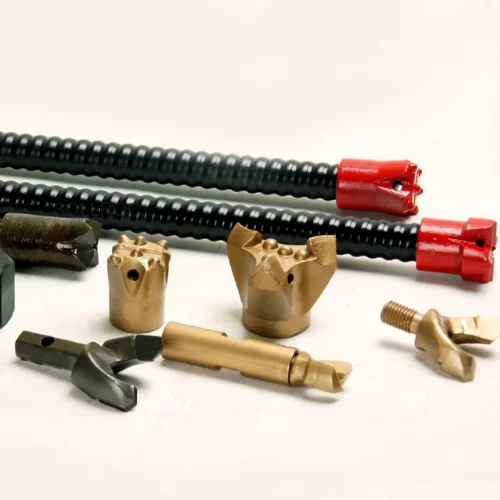
Following Products Are Applicable For Under Water Grounding anchoring

Why Choose Synviro Solutions?
Synviro Solutions provides geotechnical engineering products and anchoring solutions for infrastructure and challenging ground conditions. Underwater anchoring requirements vary significantly from one project to another, making proper assessment and system selection essential.
- Geotechnical Engineering Focus: Understanding of ground anchoring, foundation support and infrastructure protection applications.
- Application-Based Approach: Solutions considered according to project requirements, ground conditions and installation constraints.
- Anchoring Product Expertise: Experience with ground anchoring systems and related geotechnical products.
- Project-Specific Selection: Support in identifying suitable anchoring options based on available technical information and approved design requirements.
- Infrastructure-Oriented Solutions: Product options for applications across water infrastructure, foundations and other civil engineering works.
- Technical Coordination: Coordination around project specifications, installation requirements and applicable engineering documentation.
Frequently Asked Questions (FAQs)
Underwater ground anchoring is a geotechnical technique used to secure suitable structures or components by transferring design loads into soil or rock below a waterbed.
It may be used in marine construction, river engineering, reservoir infrastructure, submerged utility systems, selected bridge works and other underwater applications requiring engineered restraint.
An anchor is installed into a suitable soil or rock formation below the waterbed. The anchoring system transfers the specified forces into the surrounding ground. Its performance depends on the anchor type, ground conditions, installation quality and design.
Important factors include water depth, seabed geology, groundwater or hydraulic conditions, design loads, corrosion exposure, installation access, required service life and inspection requirements.