
Erosion Control Mats
Erosion Control Mats
Erosion control mats are materials designed to stabilize soil, reduce erosion, and promote vegetation growth on slopes, embankments, and other areas prone to soil displacement. These mats are essential in preventing environmental degradation and maintaining soil integrity in construction, landscaping, and environmental restoration projects.
They are made from biodegradable or synthetic materials, providing temporary or long-term protection depending on project needs. Erosion control mats help retain moisture, support seed germination, and enhance root development for sustainable vegetation growth. They are easy to install and require minimal maintenance, making them a cost-effective solution for soil stabilization. Additionally, these mats improve water infiltration and minimize runoff, ensuring better water management and soil preservation.

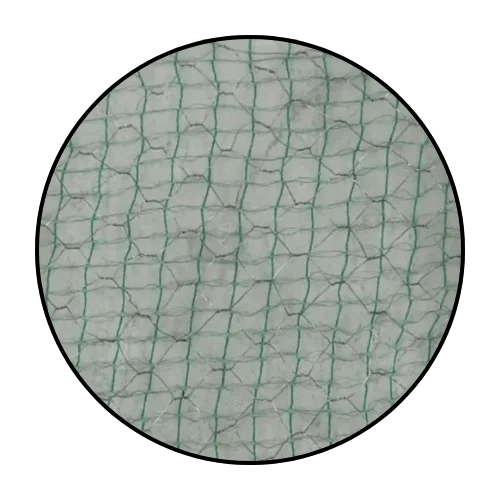
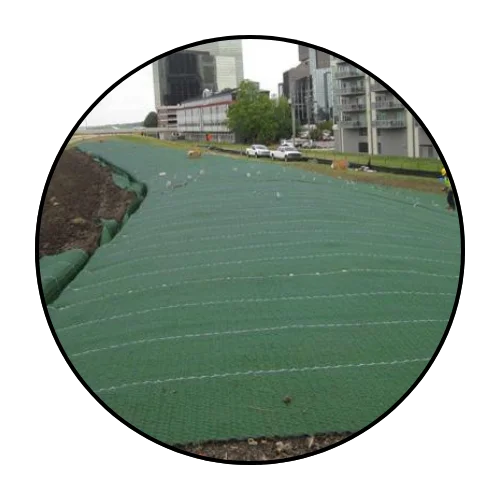
Erosion control mats are materials designed to stabilize soil, reduce erosion, and promote vegetation growth on slopes, embankments, and other areas prone to soil displacement. These mats are essential in preventing environmental degradation and maintaining soil integrity in construction, landscaping, and environmental restoration projects.
They are made from biodegradable or synthetic materials, providing temporary or long-term protection depending on project needs. Erosion control mats help retain moisture, support seed germination, and enhance root development for sustainable vegetation growth. They are easy to install and require minimal maintenance, making them a cost-effective solution for soil stabilization. Additionally, these mats improve water infiltration and minimize runoff, ensuring better water management and soil preservation.
Main Uses Of Erosion Control Mats

Prevent Soil Erosion
Erosion control mats act as a barrier to protect soil from wind, water runoff, and gravity on slopes and open areas.
Vegetation Establishment
Many erosion control mats are designed to promote the growth of grass and other vegetation, anchoring soil once the vegetation takes root.
Slope Stabilization
They provide support to unstable slopes by holding soil in place until natural vegetation can take over.
Water Management
Erosion control mats manage surface water flow by reducing its velocity and dispersing it evenly.
Sediment Control
They help prevent sediment displacement into water bodies, protecting water quality and aquatic habitats.
Main Advantages Of Erosion Control Mats
Lightweight & Easy to Handle
The relatively lightweight nature of erosion control mats can make transportation and site handling convenient.
Quick Installation
Mats can be installed efficiently over prepared surfaces using suitable fixing methods.
Flexible Surface Coverage
Can be adapted to different slope profiles and surface conditions.
Suitable for Various Terrains
Can be considered for slopes, embankments, channels and other areas exposed to erosion.
Vegetation-Friendly Options
Certain mat types are designed to support vegetation establishment while providing initial surface protection.
Reduced Surface Maintenance
Proper erosion control can help minimize surface deterioration and recurring repair requirements.
Benefits of Erosion Control Mats
Erosion Control Mats are used to protect exposed soil and vulnerable surfaces from erosion caused by rainfall, surface runoff and water movement. They provide surface protection while supporting vegetation establishment and improving the long-term stability of treated areas.
Key Benefits
Effective Soil Erosion Control
Helps protect exposed soil from being washed away by rainfall and surface runoff.
Improved Surface Stability
Provides additional surface protection on slopes, embankments and other vulnerable areas.
Support for Vegetation Growth
Can help create a more stable surface for vegetation establishment, depending on the mat type and site conditions.
Reduced Runoff Impact
Helps reduce the direct impact of flowing water on exposed soil surfaces.
Protection of Slopes & Embankments
Suitable for protecting vulnerable slopes and embankments against surface erosion.
Long-Term Ground Protection
When properly selected and installed, the mat can contribute to maintaining surface integrity over time.
Installation Process of Erosion Control Mats
Proper installation is important to ensure that the mat remains securely positioned and provides effective surface protection. The installation method should be selected according to the mat type, slope condition and project requirements.
1. Site Preparation
The area is cleared of loose debris, stones and unwanted vegetation. The surface is then prepared to create a reasonably uniform installation area.
2. Surface Grading
The slope or exposed surface is shaped and compacted where required. Any major irregularities that could affect mat contact are addressed.
3. Anchor Trench Preparation
Where required, a suitable trench is prepared at the top of the slope or installation area to secure the upper edge of the mat.
4. Mat Placement
The erosion control mat is positioned over the prepared surface, following the direction and coverage specified for the project.
5. Overlapping & Joining
Adjacent mats are overlapped appropriately to avoid exposed gaps. The required overlap and joining arrangement should follow the product and project specifications.
6. Anchoring
Suitable pins, staples, anchors or other approved fixing systems are installed at the required locations to hold the mat firmly against the surface.
7. Edge & Surface Securing
Edges, joints and other vulnerable areas are checked and secured to minimize lifting or displacement caused by wind or water flow.
8. Final Inspection
The completed installation is inspected to confirm proper coverage, anchoring, overlaps and surface contact.
Features
Erosion Control Mats are designed to provide surface protection for exposed soil and vulnerable slopes against rainfall, runoff and erosion. Depending on the material and project requirements, these mats can provide flexible coverage while supporting surface stabilization and vegetation establishment.
Key Features
1. Effective Surface Protection
Helps shield exposed soil from direct rainfall impact and surface runoff, reducing the potential for soil displacement.
2. Flexible & Adaptable Structure
The mat can conform to suitable slope profiles and uneven surfaces, allowing effective surface coverage.
3. Easy to Install
Designed for practical handling, positioning and fixing on prepared slopes and other exposed surfaces.
4. Suitable for Slopes & Embankments
Can be used for erosion control on slopes, road embankments and other vulnerable ground surfaces.
5. Supports Vegetation Establishment
Selected erosion control mats can provide surface protection while allowing vegetation to establish through and around the mat.
6. Water & Air Permeability
Suitable mat configurations can allow the movement of water and air while helping protect the underlying soil surface.
7. Multiple Material Options
Erosion control mats can be available in natural, synthetic or composite configurations depending on the required application and service conditions.
8. Secure Surface Coverage
When properly anchored, the mat provides continuous coverage and helps reduce surface disturbance caused by runoff and environmental exposure.
Application Area of Erosion Control Mat


Why Choose Synviro for Erosion Control Mats?
At Synviro, we provide erosion control solutions with a focus on application requirements, ground conditions and project-specific needs. Our approach is centered on selecting suitable products for effective surface protection and long-term project performance.
Application-Focused Solutions
We consider site conditions and the intended application when selecting suitable erosion control solutions.
Geotechnical Understanding
Our solutions are aligned with slope protection, ground stabilization and infrastructure requirements.
Suitable Product Options
Different erosion control requirements can be addressed according to slope conditions, exposure and project objectives.
Project-Oriented Approach
We focus on understanding the specific requirements of each project rather than applying a standard solution to every site.
Quality-Focused Products
Our erosion control solutions are intended for demanding construction and infrastructure environments.
Technical Support
We support project teams in understanding product applications and selecting appropriate solutions based on project requirements.
Frequently Asked Questions
Erosion Control Mats are used to protect exposed soil from rainfall, surface runoff and erosion. They are commonly considered for slopes, embankments, channels and other vulnerable surfaces.
They can be used on slopes, highway and railway embankments, drainage areas, landscaped surfaces, construction sites and selected waterway or infrastructure applications.
Certain types of erosion control mats can support vegetation establishment by protecting the soil surface while vegetation develops. Suitability depends on the mat type, vegetation and site conditions.
Service life depends on the material, exposure conditions, installation method and project requirements. Natural, synthetic and composite mats can have different performance characteristics.