
Steel Fibres
Steel Fibres for Concrete Reinforcement
Steel Fibres are small, discrete pieces of steel that are added to concrete or other building materials to enhance their mechanical properties. They are widely used in construction to improve the tensile strength, durability, and crack resistance of concrete structures. These fibres are available in various shapes, sizes, and configurations, such as hooked, crimped, or straight, to suit specific applications. When mixed with concrete, steel fibres help distribute stress more evenly, reducing the risk of shrinkage cracks and enhancing impact resistance. They also improve the flexural strength and fatigue performance of concrete.
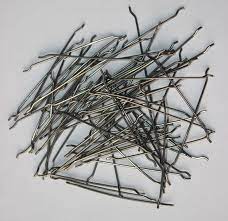
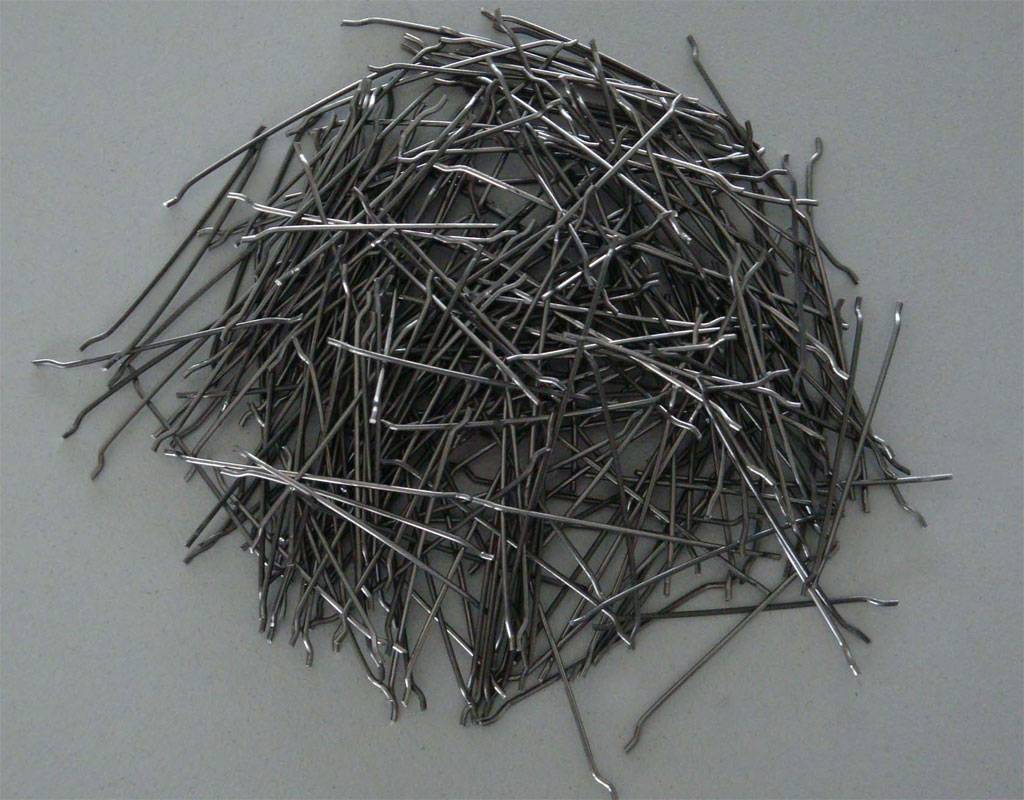
Steel Fibres are small, discrete pieces of steel that are added to concrete or other building materials to enhance their mechanical properties. They are widely used in construction to improve the tensile strength, durability, and crack resistance of concrete structures. These fibers are available in various shapes, sizes, and configurations, such as hooked, crimped, or straight, to suit specific applications. When mixed with concrete, steel fibres help distribute stress more evenly, reducing the risk of shrinkage cracks and enhancing impact resistance. They also improve the flexural strength and fatigue performance of concrete, making it ideal for heavy-duty applications like industrial floors, tunnels, bridges, and pavements.
Main Uses Of Steel Fibres

Enhancing Concrete Properties
Steel fibres increase the tensile, flexural, and shear strength of concrete.
Crack Control
They reduce shrinkage cracks and improve the ductility of concrete.
Load-Bearing Capacity
Steel fibres distribute stress evenly, enhancing the load-bearing capacity of concrete.
Impact and Abrasion Resistance
Ideal for structures exposed to heavy loads, impact, or abrasive environments.
Durability Improvement
Improves fatigue resistance and extends the lifespan of concrete structures.
Main Advantages Of Steel Fibres
There are several advantages of using Steel Fibres , the most important are the following:
1.Enhanced Strength- Improves overall mechanical properties of concrete.
2. Durability- Increases resistance to fatigue, cracking, and wear.
3. Versatility - Suitable for a wide range of applications, from flooring to structural elements.
4. Reduced Maintenance Costs- Longer service life means fewer repairs and replacements.
5. Sustainability- Allows for thinner sections of concrete, reducing material usage and environmental impact.
Benefits of Steel Fibres




Features of Steel Fibres
Material Composition :
Made from carbon steel, stainless steel, or other high-strength alloys.
Shapes and Types :
Straight, hooked-end, crimped, or twisted to ensure proper bonding with the concrete matrix.
High Tensile Strength :
Typically ranges from 1,000 MPa to 2,800 MPa, providing excellent reinforcement properties.
Corrosion Resistance :
Specially treated or stainless steel fibres resist rust and corrosion, especially in marine or chemical environments.
Uniform Stress Distribution :
Distributes stresses throughout the concrete, reducing the risk of localized failures.
Ease of Use :
Can be mixed with concrete directly at the batching plant or on-site without special equipment.
Improved Ductility :
Provides enhanced deformation capacity, reducing the brittleness of plain concrete.
Cost-Effective :
Reduces the need for traditional reinforcement like rebar or wire mesh in some applications.
Installation Process of Steel Fibres
For Steel Fibre Reinforced Concrete, the process involves controlled addition and uniform distribution of fibres within the concrete mix.
1. Review Project Requirements
Understand the structural design, concrete grade, loading conditions, fibre specification and required dosage.
2. Select Suitable Steel Fibre
Select the appropriate fibre type, dimensions, geometry and mechanical properties according to the approved design and application.
3. Determine Fibre Dosage
Establish the required quantity of steel fibres per cubic metre of concrete based on project specifications and engineering requirements.
4. Controlled Fibre Addition
Add the specified quantity of steel fibres into the concrete mix using an appropriate and controlled feeding method.
5. Mixing
Mix the concrete sufficiently to achieve uniform distribution of fibres throughout the concrete matrix and minimise the risk of fibre clumping.
6. Concrete Placement
Place and distribute the fibre-reinforced concrete according to the approved construction procedure.
7. Compaction & Finishing
Carry out appropriate compaction, levelling and surface finishing based on the concrete application.
8. Curing
Follow the specified curing procedure to support proper concrete strength development and long-term performance.
9. Quality Inspection
Check fibre dosage, concrete consistency, mixing quality and finished surface as required by the project specifications.


Why Choose Synviro for Steel Fibres?
Project-Oriented Solutions
Synviro focuses on providing reinforcement solutions according to the requirements of the concrete application, structural design and project conditions.
Suitable Product Selection
Steel fibre type, dimensions, geometry and dosage can influence concrete performance. We focus on suitable product selection based on the intended application.
Geotechnical & Infrastructure Focus
Our product range is aligned with construction, infrastructure and geotechnical applications where reinforcement and durability are important.
Application Support
We understand that steel fibre performance depends not only on the product but also on concrete mix design, dosage, mixing and placement practices.
Quality-Focused Approach
We focus on consistent product quality and suitable technical specifications for project requirements.
Wide Application Range
Steel fibres can be considered for industrial flooring, pavements, tunnels, shotcrete, precast concrete and other suitable construction applications.
Frequently Asked Questions - Steel Fibres
Steel fibres are small, discrete steel elements added to concrete or mortar to provide distributed reinforcement and improve properties such as crack control, toughness and post-cracking performance .
They are commonly used in industrial floors, concrete pavements, tunnels, shotcrete, precast concrete, mining applications and selected infrastructure projects.
Steel fibres help control cracking and improve the toughness and energy absorption capacity of concrete. Their exact contribution depends on fibre properties, dosage and concrete design.
Fibre geometry, tensile strength, aspect ratio, dosage, concrete mix design, mixing procedure and application conditions can all influence performance.